
GravityWrite: review, pricing and alternatives

What is GravityWrite? An Overview of the AI Writing Tool
When you're navigating the crowded landscape of AI writing assistants, it can be tough to distinguish true innovators from the noise. GravityWrite, which I understand launched around 2017, positions itself as a comprehensive AI writing tool designed to streamline content creation for a wide range of users. From my perspective, it's more than just a simple text generator; it's an ambitious platform aiming to be a one-stop shop for digital content needs.
At its core, GravityWrite is an AI-powered assistant built with advanced natural language generation capabilities. Its primary purpose, as I've observed, is to make content creation not just easier but also more efficient, particularly for those in the digital marketing and content creation spheres. It’s clearly targeting anyone who needs to produce a high volume of quality content quickly, without sacrificing the human touch.
In today's fast-paced digital world, where content is king, tools like GravityWrite are becoming indispensable. It carves out its niche by offering a broad suite of tools, addressing the diverse requirements of marketers, bloggers, and content strategists. Instead of juggling multiple applications for different tasks, GravityWrite aims to consolidate many content-related processes under one roof, providing a centralized hub for content generation and optimization.
Key Features and Capabilities: Beyond Basic Content Generation
What truly sets GravityWrite apart, in my experience, isn't just its ability to write text, but the sheer breadth of its toolkit. It's not merely an AI blog writer; it's a comprehensive suite of AI-powered functionalities. When I first explored the platform, I was genuinely surprised by the extensive list of tools available, far beyond what's typically advertised on the main page. While they highlight their blog writer, website builder, and social media tools, diving deeper reveals a treasure trove of capabilities.
You'll find everything from an image generator and a video generator to an AI audio and video summarizer. For those focused on social media, there's a dedicated scheduler. Building a website? GravityWrite offers an AI website builder. One feature that particularly caught my eye was the text humanizer, which speaks directly to the ongoing challenge of making AI-generated content sound more natural and less robotic. They even cater to niche needs with tools like a book and course creator, YouTube summarizer, email generator, logo generator, anime generator, and a book cover maker.
This extensive variety means that GravityWrite isn't just for churning out articles. It provides smart suggestions across these diverse content types, helping users craft everything from compelling ad copy to engaging social media posts. The sheer number of templates available ensures that you're not starting from scratch, no matter the content format. This versatility is, in my opinion, one of its strongest selling points, making it a powerful ally for anyone managing a diverse content strategy.
How GravityWrite Works: Getting Started and Content Creation Workflow
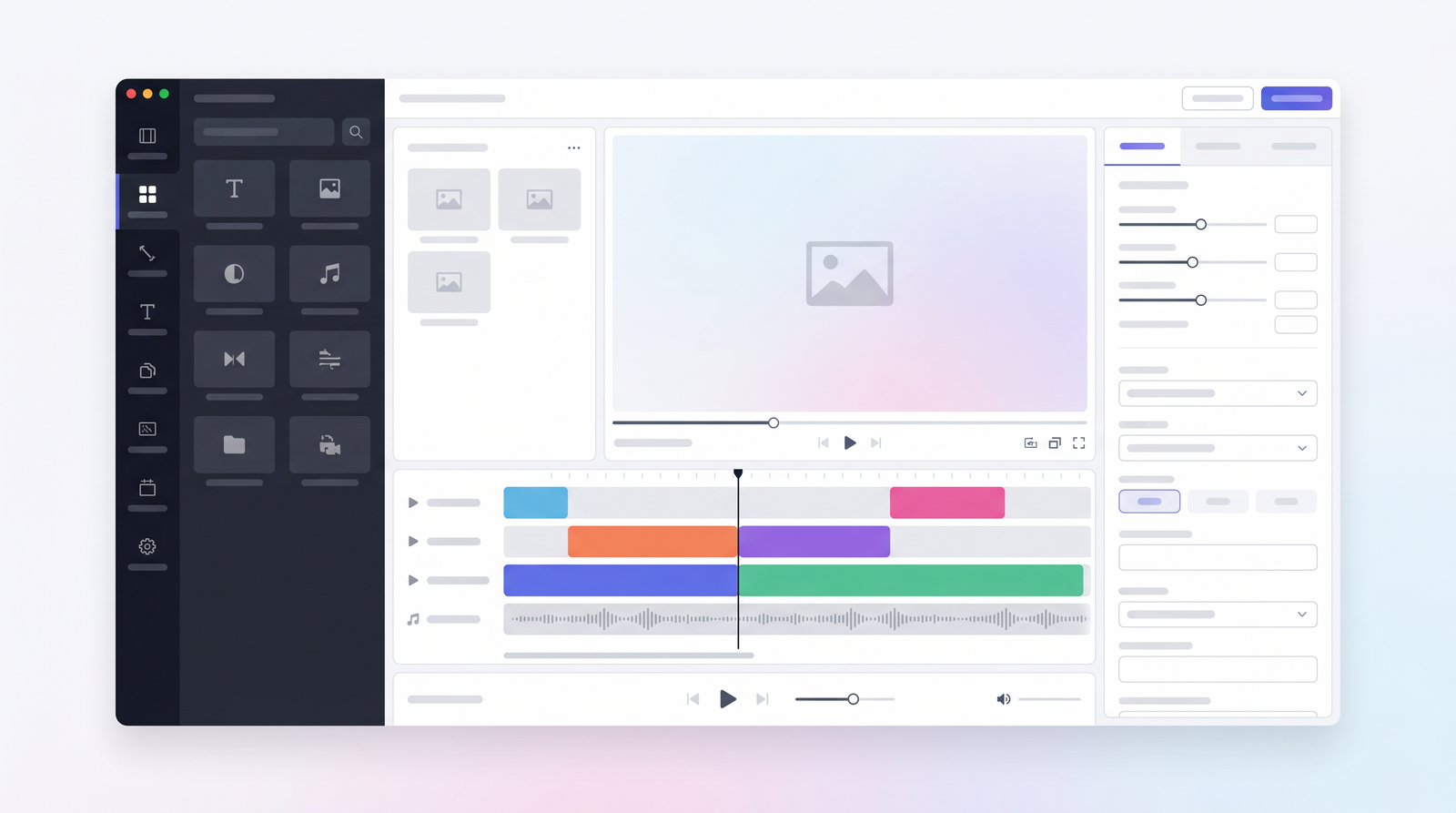
Getting started with GravityWrite is, quite frankly, a breath of fresh air. From the moment you sign up, you're greeted with an interface that is remarkably clean and intuitive. This isn't one of those tools that requires you to pore over tutorials or spend hours learning its quirks. I found that I could jump right in and start generating content almost immediately, which is a huge plus when you're on a tight deadline.
The workflow for creating content, especially full-length blogs, is impressively streamlined. Unlike some other AI tools that demand extensive prompting and manual research, GravityWrite simplifies the process significantly. My experience showed that you often only need to provide a topic idea and perhaps a few SEO keywords – or even let the AI suggest those for you – and with a few clicks, it begins generating substantial content. It truly aims to eliminate much of the manual work traditionally associated with AI content generation.
For instance, when testing its blog writer, I was able to generate a comprehensive draft without feeling like I was constantly guiding the AI. The tool takes your minimal input and expands upon it, laying down a foundation that you can then refine. This efficiency means less time spent on the initial drafting phase and more time available for editing, fact-checking, and adding your unique voice. It’s an approach that genuinely saves time and reduces the cognitive load of content creation.
Performance and Content Quality: Is GravityWrite's Output Human-Like?
When evaluating any AI writing tool, the million-dollar question always revolves around the quality of its output and whether it truly sounds human. In my tests with GravityWrite, I was generally impressed. The generated content often possesses a tone that feels quite natural, avoiding the overtly robotic or generic phrasing that can plague less sophisticated AI writers. The outputs are typically fast and clean, providing a solid foundation that doesn't require extensive cleanup of grammatical errors or awkward sentence structures right out of the gate.
However, the critical concern that looms over all AI-generated content, and GravityWrite is no exception, is its detectability by AI scanners. While the writing itself isn't bad and often feels human-like, the true test lies in whether it can bypass the increasingly sophisticated AI detection tools like GPTZero, Originality AI, and Copyleaks. This is a crucial point for marketers and content creators who rely on organic search and want to avoid penalties or a perception of low-quality, AI-only content.
The research I've seen, including direct evaluations, indicates that while GravityWrite produces legitimate and well-structured content, its performance against these AI detectors is a significant area of scrutiny. While I found the output to be well-written, the question of whether it's undetectably AI-generated is still a complex one. Users often find themselves needing to humanize the text further, even after using GravityWrite's own humanizer tool, to ensure it passes these rigorous checks. This means that while it's excellent for generating drafts, a final human polish is often necessary to truly make it undetectable and unique.

Ease of Use and User Experience: A Clean and Intuitive Interface
One of the most frequently lauded aspects of GravityWrite, and something I can wholeheartedly agree with, is its exceptional ease of use. From the moment you log in, you're presented with an interface that is refreshingly clean and uncluttered. There's no confusing array of buttons or hidden menus; everything feels logically placed and easy to navigate. This design philosophy significantly lowers the barrier to entry, meaning you don't need to be a tech wizard or spend hours on training to get productive.
I've seen numerous user testimonials echoing my own experience, highlighting how little training is required to get started. This accessibility is a massive advantage, especially for busy content creators and digital marketers who simply don't have the luxury of dedicating extensive time to learning new software. The immediate usability translates directly into time saved, allowing you to focus on the creative aspects of your work rather than grappling with the tool itself.
The intuitive nature of GravityWrite extends beyond just its visual appeal. The streamlined workflows, as mentioned earlier, contribute significantly to a positive user experience. Whether you're generating a blog post, a social media caption, or an email, the steps are logical and straightforward. This user-centric design makes the entire content creation process feel less like a chore and more like an efficient, almost enjoyable, task. It's clear that the developers have prioritized a seamless and efficient experience for their users.
GravityWrite Pricing and Plans: Understanding the Investment
When it comes to GravityWrite's pricing, it's a topic that elicits mixed feedback. They offer a range of plans, typically spanning from about $8 to $79, designed to cater to different user needs and scales of operation. Like many AI tools, they understand the importance of letting users try before they buy, so a free trial is indeed available. This is a crucial step, as it allows you to get a feel for the interface and the quality of the output before committing financially.
However, the transition from the free trial to a paid plan, particularly the upgrade price, has been a point of contention for some users. While the initial entry point might seem reasonable, the jump to higher tiers can feel substantial, leading to comments about the 'high upgrade price.' Furthermore, I've noted feedback suggesting that the lower-tier plans might come with limitations, such as a restricted word count or access to fewer premium features, which could impact users with higher content demands.
It’s important to carefully assess your content needs and expected usage before selecting a plan. While the free trial is a great starting point, understanding the word count allowances and feature access at each tier is essential to avoid potential frustration later on. For those with significant content generation requirements, investing in a mid-to-higher tier plan might be necessary, and that's where the cost-benefit analysis truly comes into play.
| Plan | Price (Approx.) | Best for |
|---|---|---|
| Free Trial | $0 | Testing basic features, light content needs |
| Starter | $8/month | Individuals, small projects, limited content |
| Pro | $39/month | Freelancers, small businesses, growing content needs |
| Business | $79/month | Agencies, marketing teams, high-volume content |
Pros and Cons: The Good, The Bad, and User Feedback
After spending time with GravityWrite and reviewing user experiences, a clear picture emerges regarding its strengths and weaknesses. On the positive side, the recurring praise centers heavily on its user-friendliness. People consistently highlight its ease of use and the minimal learning curve, which I can attest to. The interface is clean, and you can truly get started without needing extensive training. This translates directly into significant time savings, allowing creators to produce content much faster than manual methods.
Another major advantage is the sheer variety of tools and templates available. From blog posts and social media updates to image generation and website building, GravityWrite offers a comprehensive suite that covers nearly every content need. Users, myself included, often find the output to be of a decent quality, with a tone that frequently feels human-like, and the speed and cleanliness of the generated drafts are often cited as impressive.
However, it's not all sunshine and roses. The most prominent complaint I've encountered, and one that resonates, is about the pricing structure, particularly the 'high upgrade price' when moving beyond the free or lowest tiers. There's also feedback about potential limitation on lower-tier plans, such as word count restrictions, which can be frustrating for users with growing demands. Finally, and perhaps most critically for SEO-conscious users, are the AI detectability concerns. While the content quality is good, the question of whether it can consistently bypass AI scanners remains a significant hurdle, often requiring additional human intervention.
Who is GravityWrite Best For? Ideal Users and Use Cases
Given its robust feature set and user-friendly design, GravityWrite truly shines for a specific set of users and applications. I'd say its primary target audience includes digital marketers and content creators who need to produce a high volume of diverse content regularly. If you're managing multiple social media accounts, churning out blog posts, or crafting various marketing copy, this tool can become an invaluable asset for accelerating your workflow.
Bloggers and SEO specialists will also find significant value here. The ability to generate full-length blog posts quickly, often just from a few keywords, is a game-changer for maintaining a consistent publishing schedule and improving search engine visibility. The built-in smart suggestions and templates for SEO-optimized content can help ensure that your content isn't just plentiful but also strategically aligned with your goals.
Furthermore, I believe GravityWrite is well-suited for ed-tech professionals and those in similar fields who might need to create course materials, summaries, or educational content efficiently. The summarization tools, for instance, can be incredibly useful for distilling complex information. Essentially, anyone looking to reduce the time spent on initial content drafting, and who appreciates a broad toolkit under one roof, will likely find GravityWrite to be a powerful addition to their arsenal.
GravityWrite Alternatives and Comparison
In the bustling market of AI writing assistants, GravityWrite certainly isn't alone. You'll find it competing with established players and new entrants alike, each with its own strengths. When I look at how GravityWrite stacks up against its alternatives, its unique selling points tend to be its remarkably broad toolset and its user-friendly interface. Many competitors might excel in one specific area, like long-form content or short-form copywriting, but few offer the sheer variety of features that GravityWrite brings to the table, from image generation to website building.
For instance, some tools might offer more advanced SEO integration, while others might provide deeper analytical insights. However, GravityWrite often wins on accessibility and the sheer convenience of having so many functionalities in one place. If you're a generalist content creator or a small team trying to cover many bases without subscribing to a dozen different services, GravityWrite's comprehensive nature makes it a strong contender. You can see how it stacks up against alternatives on Top10k.
Ultimately, the best tool for you will depend on your specific needs and budget. But for those who prioritize a wide range of capabilities and an intuitive, easy-to-learn system, GravityWrite presents a compelling option that holds its own in a competitive landscape. It's about finding that sweet spot between feature depth and user experience, and GravityWrite does a commendable job of balancing the two.
The Verdict: Is GravityWrite Worth It?
So, after thoroughly exploring GravityWrite, the big question remains: is it worth the investment? My conclusion is that for the right user, absolutely. Its benefits are substantial, particularly for those who frequently generate a wide variety of content. The platform's exceptional ease of use, coupled with its clean interface and minimal learning curve, means you can hit the ground running and start seeing productivity gains almost immediately. The speed and cleanliness of its output are genuinely impressive, significantly cutting down on drafting time.
The sheer breadth of its toolset, encompassing everything from blog generation to image creation and social media scheduling, makes it a powerful all-in-one solution for digital marketers, content creators, and bloggers. It truly helps streamline complex content workflows. However, it's crucial to weigh these advantages against its drawbacks. The pricing structure, particularly the upgrade costs and potential limitations on lower tiers, can be a sticking point for some users. More importantly, the ongoing concern about AI detectability means that a human touch remains essential for final content review and optimization, especially for SEO-sensitive material.
In summary, if you're a content creator or marketer looking for an intuitive, feature-rich AI assistant to boost your productivity and handle diverse content needs, GravityWrite is a strong recommendation. Just be prepared to factor in the cost of higher-tier plans if your usage is extensive, and always remember to apply that final human polish to ensure originality and undetectable quality. It's a tool that can genuinely transform your content creation process, provided you use it smartly and understand its current limitations.
Full profile and live ranking: https://top10k.com/ai/gravitywrite
Published by

Top10k Tools is a free online platform that gives users access to a wide range of free utilities that help get things done faster.
It spans a broad mix of SEO tools, converters, dev utilities, and image editors. Everything works directly online, making them quick to access anywhere.
The long-term vision is creating a complete library of 10,000 online utilities for work, study, and daily life.
For anyone who works online, you'll find utilities that save time. Explore the full collection.
Frequently asked questions
What is GravityWrite's main purpose?
GravityWrite is an AI writing assistant designed to streamline content creation for digital marketers, content creators, and bloggers. It offers a wide range of tools to generate various types of content efficiently.
Does GravityWrite offer a free trial?
Yes, GravityWrite provides a free trial, allowing users to test its basic features and get a feel for the platform before committing to a paid subscription.
How does GravityWrite's pricing work?
GravityWrite offers various pricing tiers, typically ranging from approximately $8 to $79 per month. While a free trial is available, some users have noted that the upgrade price to higher tiers can feel substantial, and lower tiers may have word count limitations.
Is content generated by GravityWrite detectable by AI scanners?
While GravityWrite produces content with a human-like tone and good quality, its detectability by advanced AI scanners like GPTZero is a critical concern. Users often find that additional human editing and 'humanizing' is necessary to ensure the content passes these checks.
What are GravityWrite's key features?
GravityWrite boasts an extensive suite of tools including a blog writer, image/video generators, social media scheduler, website builder, text humanizer, and various summarizers. It also offers a wide array of templates and smart suggestions for diverse content types.
Is GravityWrite easy to use?
Yes, GravityWrite is consistently praised for its exceptional ease of use. It features a clean, intuitive interface that requires minimal training, allowing users to quickly start generating content and save significant time.
Who is GravityWrite best suited for?
GravityWrite is ideal for digital marketers, content creators, bloggers, SEO specialists, and ed-tech professionals who need to produce high volumes of diverse content efficiently. It's particularly useful for those seeking an all-in-one content generation solution.
How does GravityWrite compare to other AI writing tools?
GravityWrite stands out among alternatives due to its remarkably broad toolset and user-friendly interface. While other tools may specialize, GravityWrite offers a comprehensive range of features, making it a strong contender for users seeking an all-in-one platform for diverse content needs.